


Orthopaedics









No doctor in this list has OPD on that day. Try another day or call +91 90 5171 5171.
Patient Testimonials

Frequently Asked Questions
Still Have a Question?Talk to our patient care team — we’re available 24 × 7.+91 90 5171 5171
What is the difference between an orthopedic surgeon and a rheumatologist?
- Orthopedic surgeon: Specializes in surgical and non-surgical treatment of musculoskeletal injuries, fractures, and conditions requiring surgical intervention (e.g., joint replacements, fractures).
- Rheumatologist: Specializes in the diagnosis and treatment of autoimmune diseases and conditions affecting joints, muscles, and bones (e.g., arthritis, lupus, osteoporosis).
How can physical therapy help with orthopedic conditions?
Physical therapy helps by:
- Strengthening muscles around joints to improve support and mobility
- Reducing pain and inflammation
- Restoring range of motion and flexibility
- Improving posture and body mechanics to prevent further injury
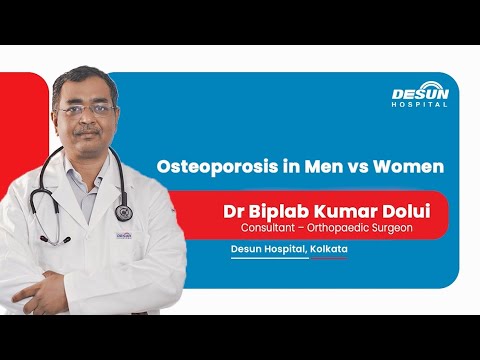
What is osteoporosis, and how can I prevent it?
Osteoporosis is a condition where bones become weak and brittle. Prevention includes:
- Adequate calcium and vitamin D intake
- Regular weight-bearing exercise
- Avoiding smoking and excessive alcohol consumption
- Bone density testing for early detection
What is the recovery time after joint replacement surgery?
Recovery time varies depending on the joint and type of surgery. Generally:
- Hip or knee replacement: Most patients can resume basic activities within 6-12 weeks but may need several months for full recovery.
- Shoulder replacement: Full recovery can take up to 6 months, with physical therapy required for optimal function.
What is the difference between a fracture and a sprain?
- Fracture: A fracture is a break or crack in a bone, caused by trauma or excessive pressure.
- Sprain: A sprain is a stretch or tear of a ligament, usually caused by twisting or overstretching a joint.